
From the coast of southern Spain to the ancient wonders of Egypt, here’s how to turn August 2, 2027, into an unforgettable travel experience.
Imagine standing beneath the warm Mediterranean sun when, in the middle of the day, the light begins to fade. The temperature drops, the sky darkens, and for a few extraordinary moments, day turns into something that looks almost like night.
On August 2, 2027, a total solar eclipse will travel across parts of southern Europe, North Africa and the Middle East. And this isn’t just any eclipse. In parts of Egypt, totality—the moment when the Moon completely covers the Sun—will last more than six minutes, making it one of the longest total solar eclipses of the century.
But here’s what makes this event especially exciting to me: some of the best places to experience it are also incredible destinations in their own right. Whether you’ve been dreaming of exploring southern Spain, wandering through Morocco’s colorful medinas or cruising along the Nile, this is an opportunity to build a memorable vacation around a truly extraordinary moment.
First, What Makes This Eclipse So Special?
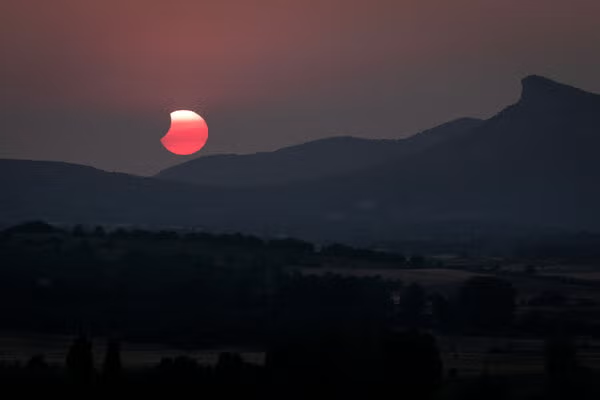
A total solar eclipse happens when the Moon passes directly between Earth and the Sun, briefly blocking the Sun’s bright disk. During totality, the sky darkens, the Sun’s outer atmosphere becomes visible, and the world around you can take on an almost surreal appearance. Unlike a partial eclipse, totality is visible only from a relatively narrow path across the Earth. And that’s why where you travel matters just as much as when.
For August 2027, that path includes portions of southern Spain, Morocco, Algeria, Tunisia, Libya, Egypt and several countries farther east. Here are three of my favorite ways to turn the event into a vacation.
1. Southern Spain: Sunshine, Culture and a Celestial Show
Best for: Couples, families and travelers who want a beautiful European vacation with a once-in-a-lifetime experience.
Spain is particularly close to my heart, and I love the idea of experiencing this eclipse in Andalusia—a region filled with beautiful architecture, fascinating history, wonderful food and some of Spain’s most memorable landscapes.
On August 2, 2027, the path of totality will cross parts of Cádiz and Málaga provinces, along with other areas near the Strait of Gibraltar.
A few potential viewing locations include:
- Cádiz: Approximately three minutes of totality, paired with a charming historic center, beaches and fantastic seafood.
- Tarifa: Approximately four minutes and forty seconds of totality, with dramatic coastal scenery where the Atlantic meets the Mediterranean.
- Málaga: A shorter period of totality, but an appealing base for travelers who want museums, restaurants, coastal resorts and easy access to Andalusia.
How I’d build the trip:
Spend a few days discovering Seville’s beautiful neighborhoods, architecture and tapas scene. Continue to the whitewashed villages of Andalusia, enjoy a private sherry tasting near Jerez, and finish along the coast with a carefully selected eclipse-viewing location.
You could even extend the journey to Granada to visit the Alhambra.
One important detail: Not every popular city in southern Spain falls within the path of totality. Seville, for example, will experience a partial eclipse. We’d plan the viewing location carefully rather than assume your hotel is in the right spot.
2. Egypt: Six Minutes Beneath an Ancient Sky
Best for: Bucket-list travelers, history lovers and couples looking for an extraordinary cultural journey.
If you want to experience the eclipse somewhere truly unforgettable, Egypt is hard to beat.
The region around Luxor will experience approximately six minutes and twenty seconds of totality, with the point of greatest eclipse nearby.
Now imagine combining that moment with some of the world’s most remarkable ancient monuments.
How I’d build the trip:
Begin in Cairo, exploring the Pyramids of Giza and Egypt’s fascinating history with a knowledgeable private guide.
Then travel to Luxor, home to the extraordinary Karnak and Luxor temple complexes and the Valley of the Kings.
Depending on your interests, you could add a Nile cruise, private cultural experiences or a relaxing stay along the river.
For the eclipse itself, we’d arrange an appropriate viewing location within the path of totality, with the logistics organized well in advance.
A consideration worth knowing: August in Egypt is extremely hot, particularly around Luxor. This is not the season I’d normally recommend for extensive outdoor sightseeing. We’d plan activities around the heat, prioritize comfortable accommodations and build in plenty of downtime.

3. Morocco: Medinas, Mountains and a Moment of Darkness
Best for: Adventurous couples, friends traveling together and travelers who love culture, food and distinctive accommodations.
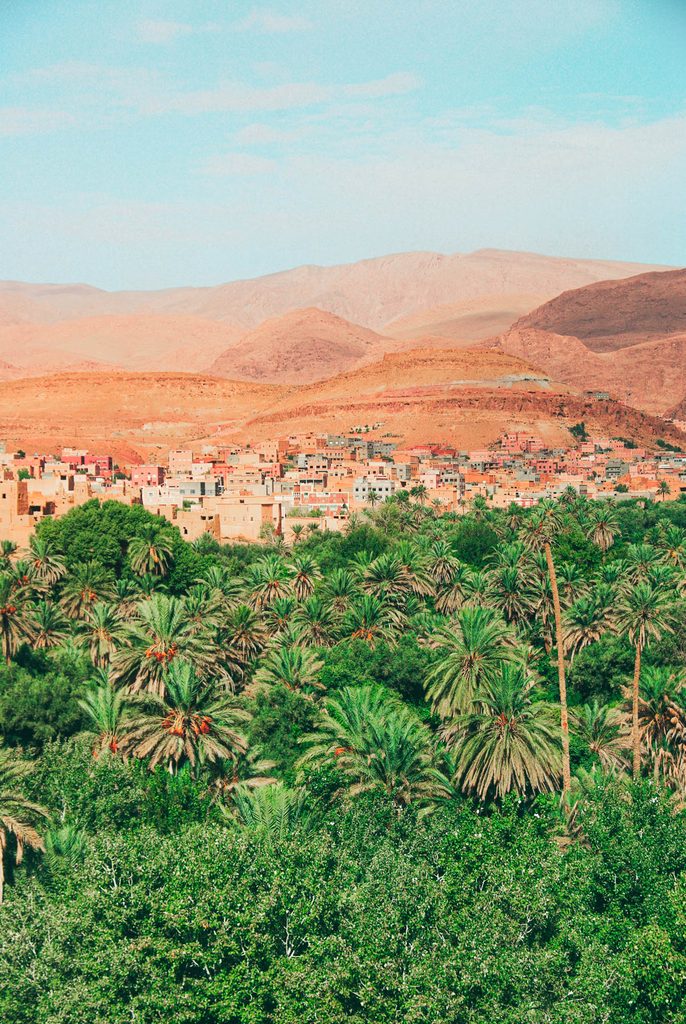
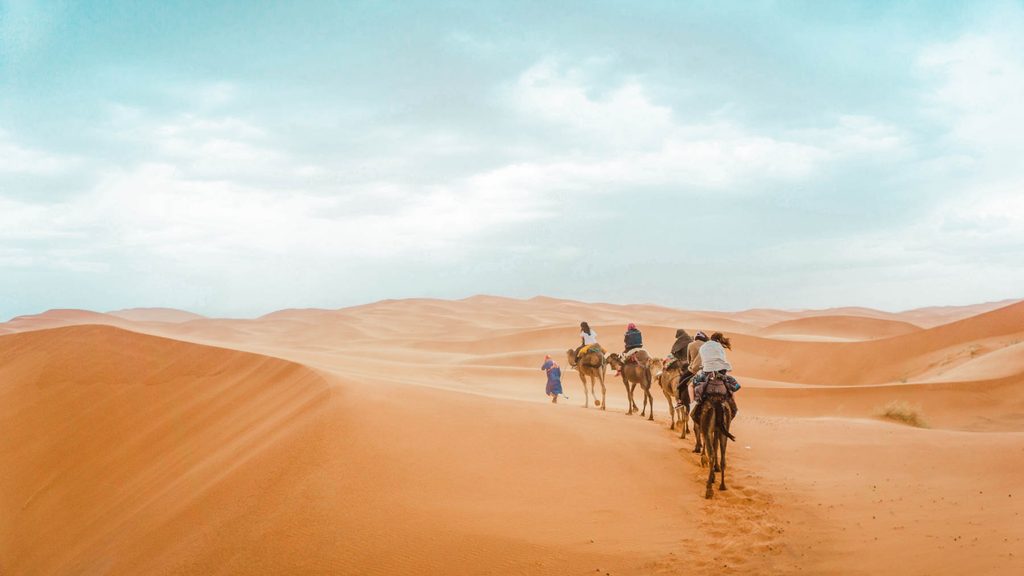
Morocco offers another fascinating way to experience the 2027 eclipse.
Parts of northern Morocco, including the Tangier area, fall within the path of totality, with some locations experiencing nearly five minutes of darkness.
And there’s so much to enjoy beyond the eclipse itself.
How I’d build the trip:
Start in Tangier, where European and North African influences come together along the coast.
Explore its historic medina, enjoy beautiful views over the Strait of Gibraltar and discover the local food scene.
From there, consider visiting the blue-painted streets of Chefchaouen or extending your trip to Fes for its extraordinary craftsmanship, markets and architecture.
For those who want a longer adventure, Morocco also offers mountain retreats, desert landscapes and beautiful traditional riads.
Another interesting possibility: Combine southern Spain and northern Morocco in one itinerary, crossing the Strait of Gibraltar and experiencing two distinct cultures in a single vacation.
Just remember that the eclipse itself happens at one specific time. We’d select one primary viewing location and plan the itinerary around it rather than attempt a complicated transfer on eclipse morning.
Which Destination Is Best for the 2027 Eclipse?
There’s no single right answer. It depends on what kind of vacation you’d enjoy most.
| Destination | Why Choose It? |
|---|---|
| Southern Spain | Excellent for European culture, food, beaches and family-friendly travel |
| Egypt | Ideal for ancient history, bucket-list experiences and a longer duration of totality |
| Northern Morocco | A wonderful choice for culture, distinctive accommodations and a less conventional itinerary |
Personally, I think southern Spain is an especially compelling choice for travelers who want the eclipse to be part of a broader summer vacation.
Egypt, on the other hand, is difficult to match for the sheer drama of experiencing such a long eclipse near some of the world’s most remarkable ancient sites.
Five Things to Know Before Planning Your Eclipse Trip
1. Location is everything.
A partial eclipse and a total eclipse are very different experiences. Even a destination that’s relatively close to the path of totality may miss the main event entirely. Exact viewing coordinates matter.
2. Book accommodations early.
A rare astronomical event draws travelers from around the world. Hotels, guides, transportation and organized viewing experiences in desirable locations may become difficult to secure as the date approaches.
3. Build in a little flexibility.
Clear skies are never guaranteed. We’d consider historical weather patterns, transportation logistics and possible alternative viewing locations when developing your itinerary.
4. Plan for safe viewing.
You’ll need proper solar eclipse glasses that meet the ISO 12312-2 standard for the partial phases of the eclipse. Regular sunglasses aren’t sufficient. Protective eyewear can be removed only during the brief period of complete totality, when the Sun is entirely covered, and must go back on before the bright Sun reappears.
5. Make the entire vacation worthwhile.
This is perhaps my favorite piece of advice.
Don’t plan a wonderful international trip around just a few minutes of darkness. Choose a destination you’d be excited to visit regardless, then let the eclipse become the extraordinary highlight.
That way, even if the weather doesn’t cooperate perfectly, you’ve still experienced a memorable vacation.
So, Where Will You Be on August 2, 2027?
There’s something special about traveling for an experience that can only happen at a particular moment.
A festival, a cultural celebration, a natural phenomenon—these are the kinds of experiences that can turn a wonderful trip into a story you’ll be telling for years.
And the August 2027 total solar eclipse is one of those moments.
Whether you’re picturing the coastline of Spain, the ancient temples of Egypt or the colorful streets of Morocco, there’s an incredible journey waiting to be designed around it.
Ready to start planning your 2027 eclipse adventure?
Tell us which destination interests you most, who you’d love to travel with and what kind of experiences you’d like to include.
At Globetrotter Travel, we’ll help you bring the pieces together—from accommodations and private experiences to the important logistics surrounding eclipse day.
Contact us to plan your adventure today!


